

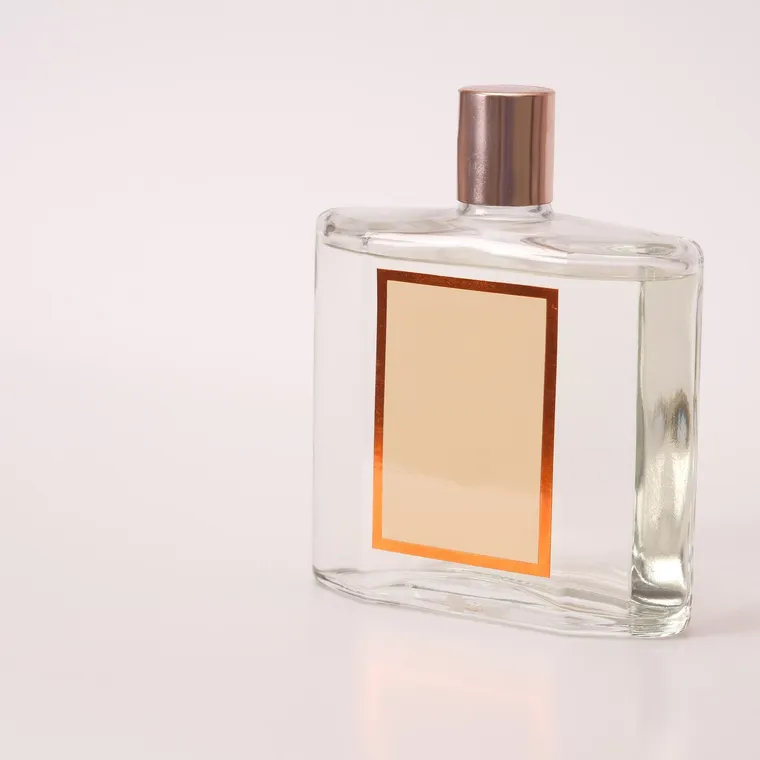
What is fragrance?
“Fragrance” or “parfum” on a cosmetic label can stand for a blend of many substances. In the EU, certain fragrance allergens, such as limonene and linalool, must be named separately when they are above 0.001% in leave-on products or 0.01% in rinse-off products. Since 31 July 2026, under Regulation (EU) 2023/1545, new products must name any of more than 80 of these allergens, up from 26; products already on sale may keep the older label until 31 July 2028. “Unscented” doesn’t always mean fragrance-free: A masking fragrance may be used.
Where is fragrance found?
- Perfumes and body mists are mostly fragrance.
- Moisturisers, serums and sunscreens often contain it, sometimes only to mask a smell.
- Shampoos, soaps and deodorants often contain it.
Label code: Parfum
What are the other names for fragrance on a label?
All 35 names
The free label checker marks every name on this list. Try the label checker · How Bravoora decides
Does fragrance fit a vegan or fragrance-free routine?
A packed product can still carry a “may contain” warning, so check the pack.
Does fragrance fit you?
Pick what applies to you:
Pick at least one to see your answer.
How does Bravoora check for fragrance?
Bravoora is a calorie tracker and ingredient checker app. Scan a pack and it answers for each person on your plan.
Bravoora flags “parfum” and the named fragrance allergens that follow it in the ingredient list.
More questions about fragrance
Is fragrance vegan?
It depends. Most fragrance ingredients are synthetic or plant-based, but labels rarely say.
Sources and how to cite this guide
- EU Cosmetics Regulation 1223/2009
- EU Regulation 2023/1545 (fragrance allergen labelling)
- US FDA: Fragrances in cosmetics
To cite this guide: Bravoora, “Fragrance (parfum): what it is and where it’s used”, bravoora.app/ingredients/fragrance/, updated 4 November 2026.
Spotted something wrong or missing? Tell us.
General information, not medical advice. Rules differ by country and products change, so always check the pack.
Related ingredient guides
 NiacinamideA form of vitamin B3 found in many serums and moisturisers.Read the guide
 Tree nutsAlmonds, cashews, walnuts and the rest, plus the sweets they hide inside.Read the guide
 Carmine (E120)A bright red colour made from insects.Read the guide
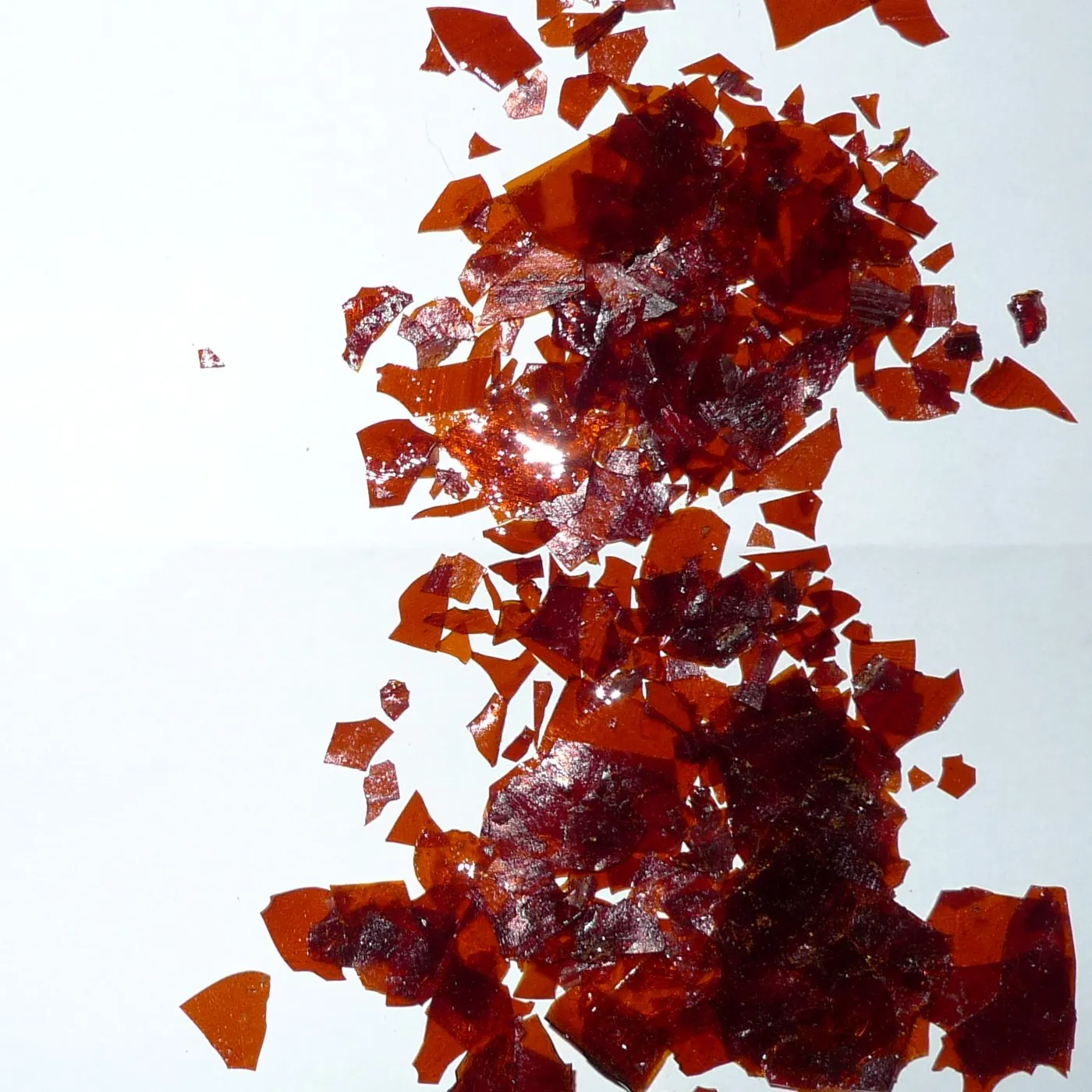 Shellac (E904)The shine on sweets and coated tablets, made from an insect resin.Read the guide