

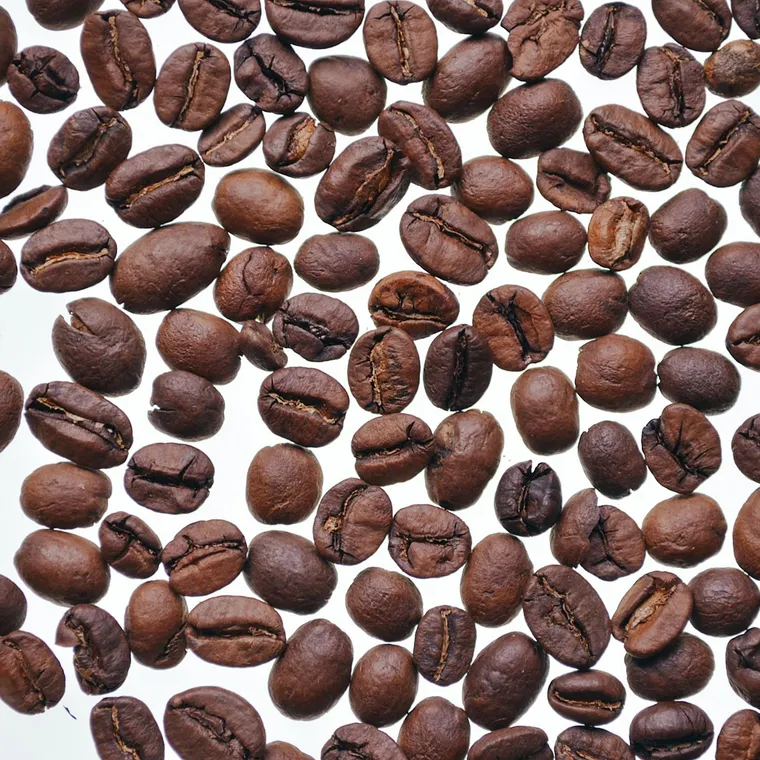
What is caffeine?
Caffeine occurs naturally in coffee, tea, cocoa, guarana and kola, and is also added on its own. In the EU and the UK, drinks with more than 150 mg of caffeine per litre (other than tea and coffee) must say “High caffeine content” and show the amount. Extracts such as guarana add caffeine even when the word “caffeine” isn’t listed.
Where is caffeine found?
- Energy drinks and many soft drinks have caffeine added.
- Pre-workout and weight-management supplements often contain caffeine or guarana.
- Iced tea, coffee drinks and chocolate contain it naturally.
What are the other names for caffeine on a label?
Which diets and allergies does caffeine fit?
A packed product can still carry a “may contain” warning, so check the pack.
Does caffeine fit you?
Pick what applies to you:
Pick at least one to see your answer.
How does Bravoora check for caffeine?
Bravoora is a calorie tracker and ingredient checker app. Scan a pack and it answers for each person on your plan.
Bravoora reads caffeine sources such as guarana and green tea extract, and points to the amount when the label states it.
More questions about caffeine
Is caffeine vegan?
Yes. Coffee, tea, guarana and added caffeine are not animal-based.
Sources and how to cite this guide
To cite this guide: Bravoora, “Caffeine: what it is and where it’s used”, bravoora.app/ingredients/caffeine/, updated 22 September 2026.
Spotted something wrong or missing? Tell us.
General information, not medical advice. Rules differ by country and products change, so always check the pack.
Related ingredient guides
 GelatinAn animal protein that sets gummies, marshmallows and softgels.Read the guide
 Mono- and diglycerides (E471)A common emulsifier whose source is rarely stated.Read the guide
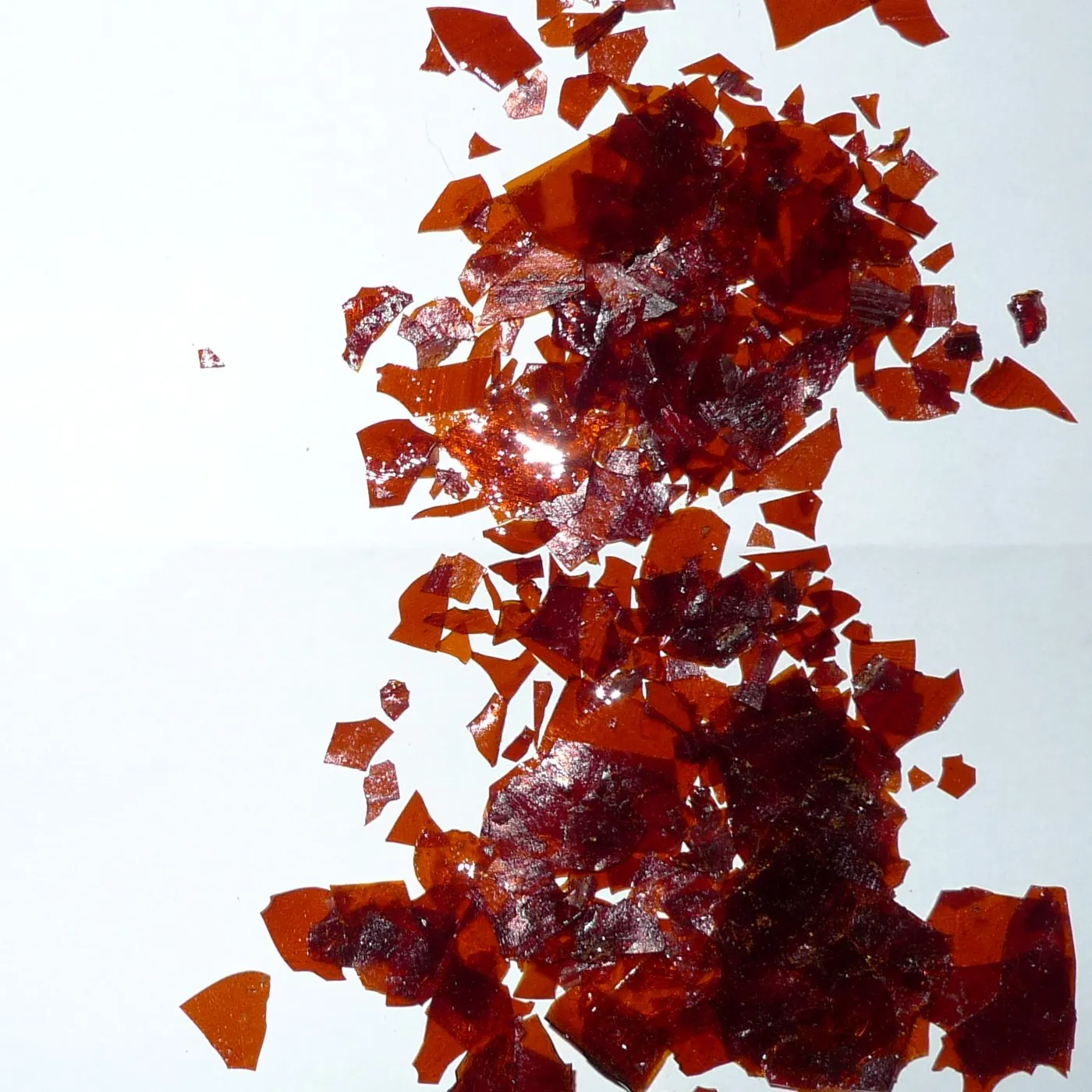 Shellac (E904)The shine on sweets and coated tablets, made from an insect resin.Read the guide
 Carmine (E120)A bright red colour made from insects.Read the guide