- Allergens must be declared in the ingredient list, usually in bold or capitals, and often repeated in a “Contains” line.
- The EU and UK list 14 allergens; the US lists 9; Gulf labels follow the GSO 9 standard, which is based on the international Codex list.
- “May contain” is a voluntary warning about cross-contact. It is not regulated the same way as the ingredient list.
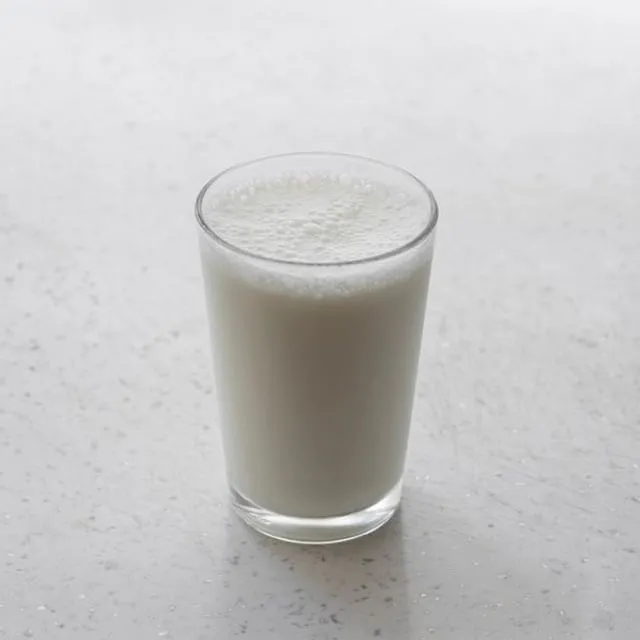
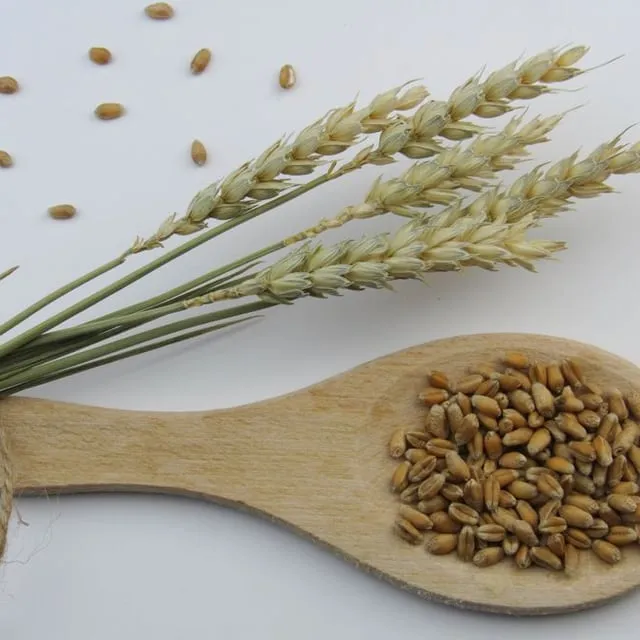
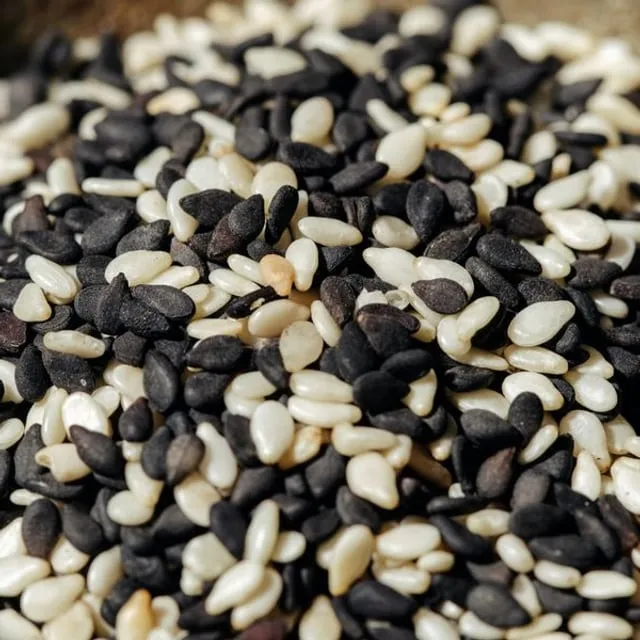
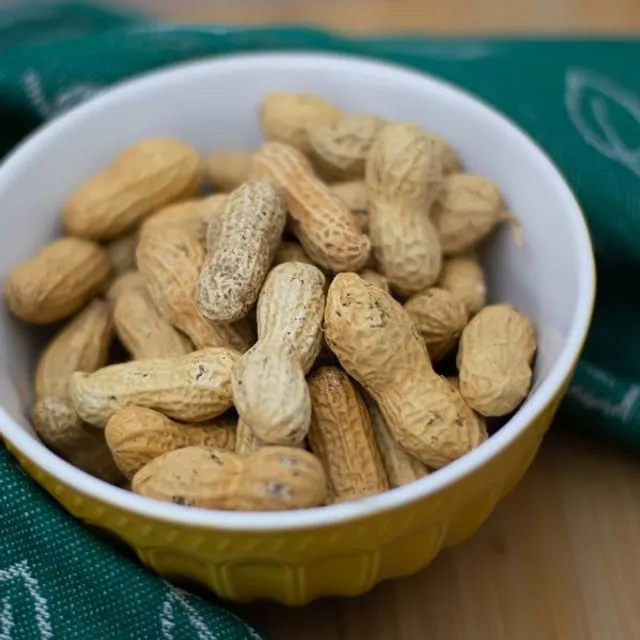
- Many allergens hide behind other names: whey is milk, semolina is wheat, tahini is sesame, albumin is egg.
The short answer
Look in three places: the ingredient list (allergens are emphasised in bold, capitals or a different colour), a “Contains” statement under it, and any “May contain” line. If the product is sold in the Gulf, the label is usually in Arabic and English, and both versions must say the same thing.
Rules differ by country, so the same brand can be labelled differently in Dubai, London and New York. The pack in your hand is always the final word.
Which allergens must be declared? It depends where you shop
Each region keeps its own list of allergens that must always be named, whatever form they take.
| Region | Allergens that must be declared | Good to know |
|---|---|---|
| EU and UK | 14: cereals containing gluten, crustaceans, eggs, fish, peanuts, soybeans, milk, tree nuts, celery, mustard, sesame, sulphites (10 mg/kg or more), lupin, molluscs | Emphasised inside the ingredient list (Regulation 1169/2011). In the UK, Natasha’s Law extends full ingredient labelling to food packed on site. |
| United States | 9: milk, eggs, fish, crustacean shellfish, tree nuts, peanuts, wheat, soybeans, sesame | Sesame became the ninth major allergen on 1 January 2023 (FASTER Act). Declared in the ingredient list or a “Contains” statement. |
| UAE, Saudi Arabia and the GCC | GSO 9 follows the Codex list: cereals containing gluten, crustaceans, eggs, fish, peanuts, soybeans, milk, tree nuts, and sulphites at 10 mg/kg or more | Labels are bilingual (Arabic and English). Imported products may carry the EU or US list as well. Check the current edition of the standard. |
Where to look on the pack
- Ingredient list: allergens are named and emphasised, for example “wheat flour”, “milk powder”, “soy lecithin”.
- “Contains” statement: a summary line under the ingredients. It repeats the allergens; it doesn’t replace the list.
- “May contain” or “made in a facility that also handles…”: a precautionary warning about cross-contact during production.
- Front of pack claims such as “gluten-free” or “dairy-free” are regulated claims in the EU, UK and US, but they still sit next to the ingredient list, not instead of it.
What “may contain” really means
Precautionary allergen labelling is voluntary. In the EU, UK and US there is no legal threshold that triggers it, so one factory may print it while another with the same risk does not. The UK Food Standards Agency asks businesses to use it only after a real risk assessment, never as a blanket disclaimer.
For someone with a severe allergy, “may contain” deserves the same respect as “contains”. For someone avoiding an ingredient by choice, it is a judgement call. This is why Bravoora keeps the two apart in its answer: “Not for you” when the ingredient is listed, “Heads up” when only a warning mentions it.
Arabic labels: the words to look for
- يحتوي على: contains.
- قد يحتوي على: may contain.
- مسبّبات الحساسية: allergens.
- الغلوتين (القمح، الشعير، الجاودار): gluten (wheat, barley, rye).
- مصل اللبن، الكازين، اللاكتوز: whey, casein, lactose (all milk).
- الفول السوداني: peanuts. المكسّرات: tree nuts. السمسم: sesame. الصويا: soy. البيض: eggs. الكبريتيت: sulphites.
A 30-second label routine
- Find the ingredient list and read it to the end. Allergens can be near the bottom.
- Check the “Contains” line, then the “May contain” line.
- Translate the hidden names using the table above, or paste the list into the free label highlighter.
- If the label is unclear, or the language you read isn’t on the pack, treat the product as unverified.
- Recipes change. Re-read a familiar product when the packaging changes.
How Bravoora helps
Bravoora reads the same ingredient list and allergen statements, matches every hidden name to its allergen, and compares the result with the profile you choose. The answer always points to the ingredient or the warning it is based on, so you can check it on the pack yourself.
FAQ
Do allergen rules in the UAE and Saudi Arabia match the EU?
Not exactly. Gulf labels follow GSO 9, which is based on the Codex list (cereals containing gluten, crustaceans, eggs, fish, peanuts, soybeans, milk, tree nuts and sulphites). The EU and UK add celery, mustard, sesame, lupin and molluscs. Imported products often carry both.
Is “may contain” required by law?
No. In the EU, UK, US and the Gulf it is a voluntary precautionary statement. It should reflect a real risk of cross-contact, but there is no legal threshold, so its absence doesn’t guarantee a product is free of that allergen.
Are “gluten-free” and “dairy-free” claims regulated?
“Gluten-free” is regulated in the EU, UK and US (20 mg/kg or less). “Dairy-free” has no single legal definition; read the ingredient list as well.
Sources
- EU Regulation 1169/2011 on food information to consumers (Annex II)
- US FDA: Food Allergies and the FASTER Act
- UK Food Standards Agency: Allergen labelling for food manufacturers
- UK Food Standards Agency: Precautionary allergen labelling guidance
- Codex Alimentarius: General Standard for the Labelling of Prepackaged Foods (CXS 1-1985)
- GSO 9: Labelling of prepackaged foodstuffs (Gulf Standardization Organization)
General information, not medical advice. Rules differ by country and products change, so always check the pack.
More ingredients
Keep reading
12 hidden names for milk on ingredient lists (and 3 that aren’t milk)
Whey, casein, ghee, lactose and more: the label names that mean milk, the ones that only sound like it, and how milk allergy differs from lactose intolerance.
Skincare labelsHow to read a skincare ingredient list (INCI) in 5 steps
What INCI names are, why the order matters, how to spot fragrance and its named allergens, what CI numbers mean, and a 5-step routine for any bottle.
Early access
Be among the first to try Bravoora.
Answer 3 quick questions and we’ll set up your starter profile for launch.
You’re in! Check your inbox.
Confirm your email to lock your spot. Then share your link: every friend who joins moves you up and gets you both closer to free Plus.
Invite friends. You both get Plus.
- 11 month of Plus for you and your friend
- 33 months of Plus and beta access before launch
- 56 months of Plus and the Founding Member badge
- 101 year of Plus
- 25Plus for life (first 100 members)
A friend counts once they confirm their email. Plus unlocks when you both open the app at launch.
Preview mode: sign-ups stay in this browser until the waitlist service is connected.