

Allergens
How often does a food label say “may contain”, allergen by allergen?
Tree nuts are named in a “may contain” line on 117,647 products in Open Food Facts, 2.9 times as many as list them in the recipe.
We’re updating Bravoora, so forms and sign-in are paused for now. Nothing you saved is lost. Please try again later.
Skip to contentMilk is lait, Milch, leche and latte. The 14 allergens in French, German, Spanish and Italian, and the label words that look like one but are not.
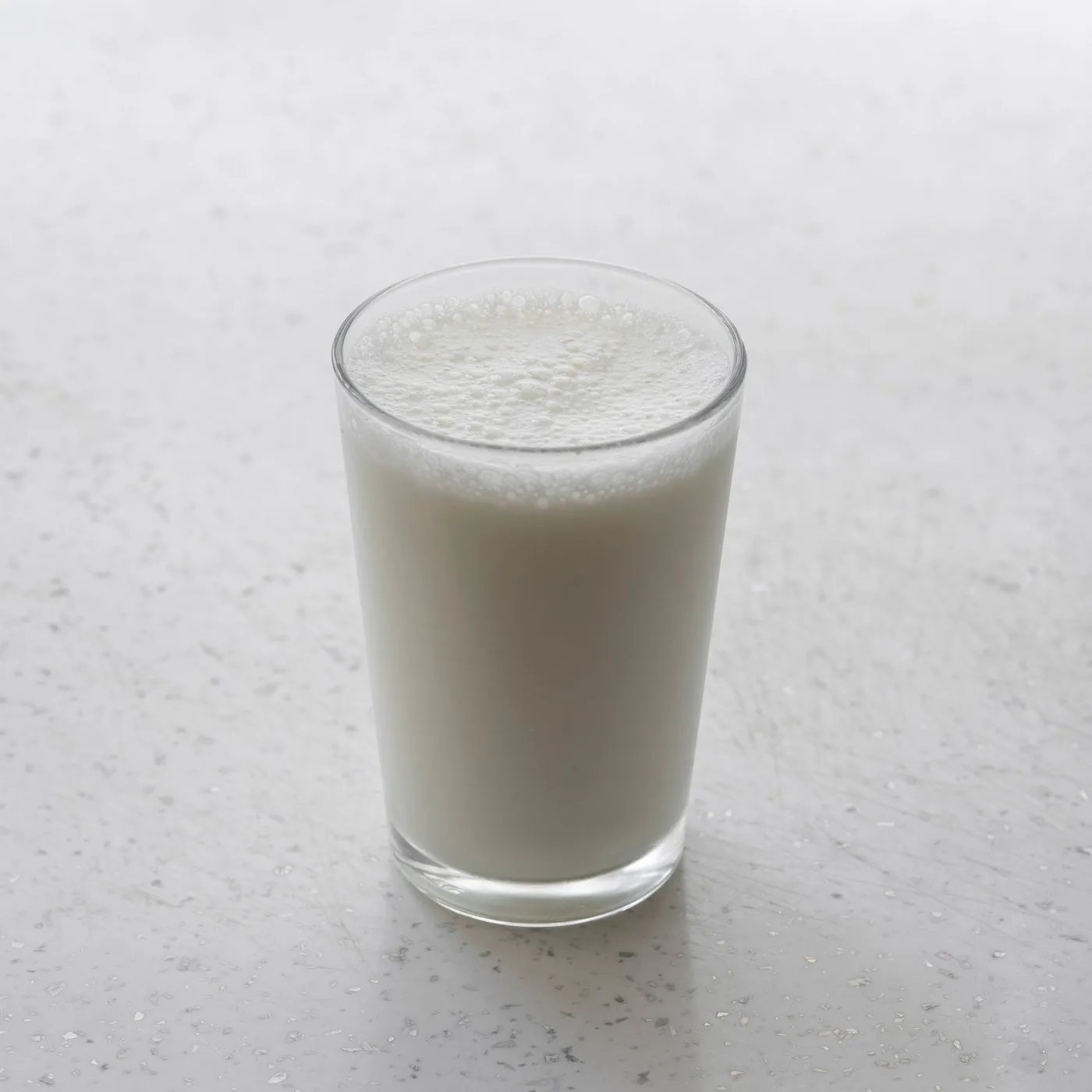
Milk is “lait” in French, “Milch” in German, “leche” in Spanish and “latte” in Italian; eggs are “œufs”, “Eier”, “huevos” and “uova”; peanuts are “arachides”, “Erdnüsse”, “cacahuetes” and “arachidi”. EU labels must name the same 14 allergens in every language and emphasise them in the ingredient list. Open Food Facts records milk on 192,782 products.
From milk, “lait”, “Milch”, “leche” and “latte”, to lupin, “lupin”, “Lupine”, “altramuces” and “lupini”: The table gives the main word Open Food Facts uses for each of the 14 in French, German, Spanish and Italian[2]. The last column counts the products where it records the allergen, read from labels in any language[4]: Milk, gluten and soy lead, and lupin is on the fewest, 1,196.
| Allergen | French | German | Spanish | Italian | Products |
|---|---|---|---|---|---|
| Milk | lait | Milch | leche | latte | 192,782 |
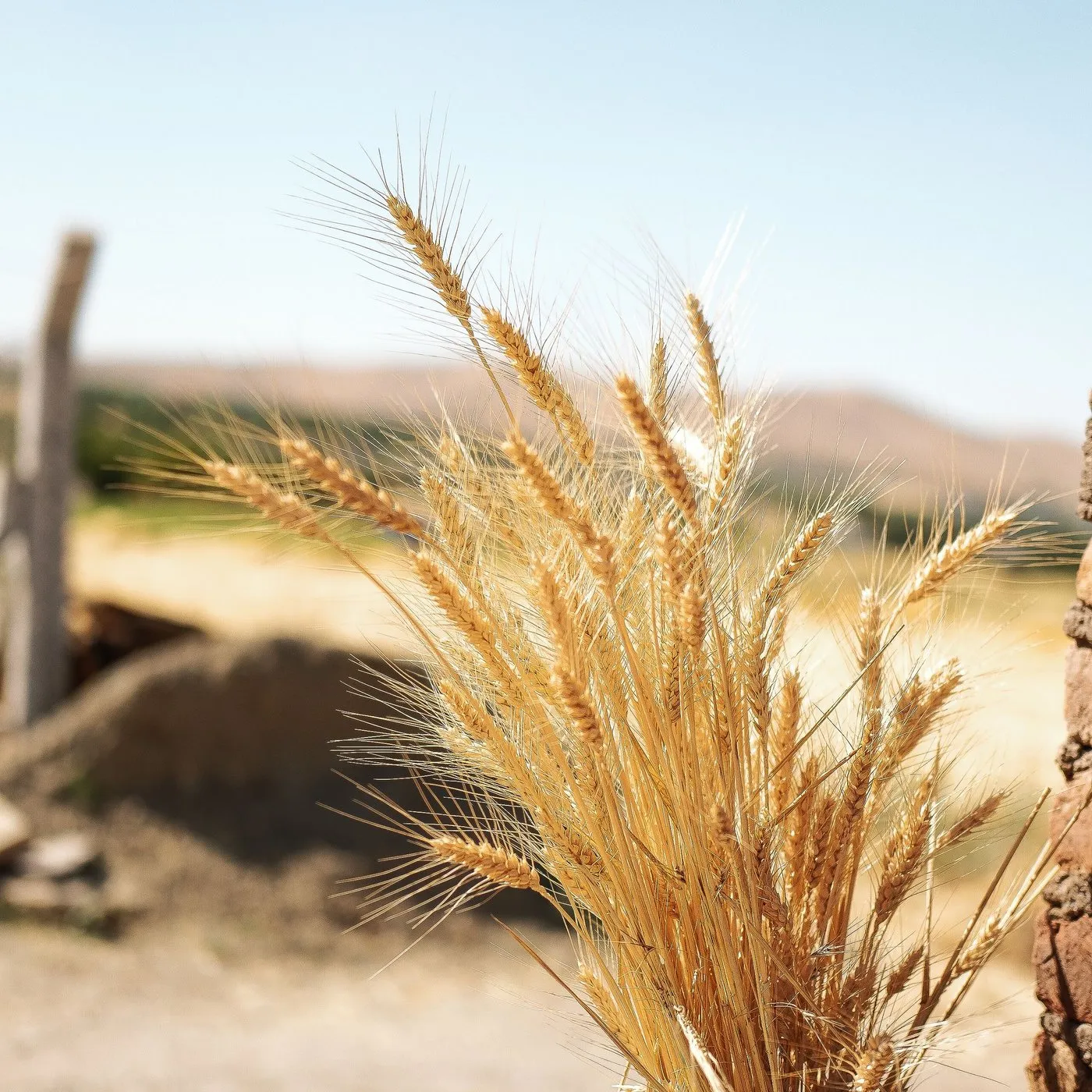
| Gluten | gluten | Gluten | gluten | glutine | 145,306 |
| Soy | soja | Soja | soja | soia | 73,418 |
| Eggs | œufs | Eier | huevos | uova | 54,783 |
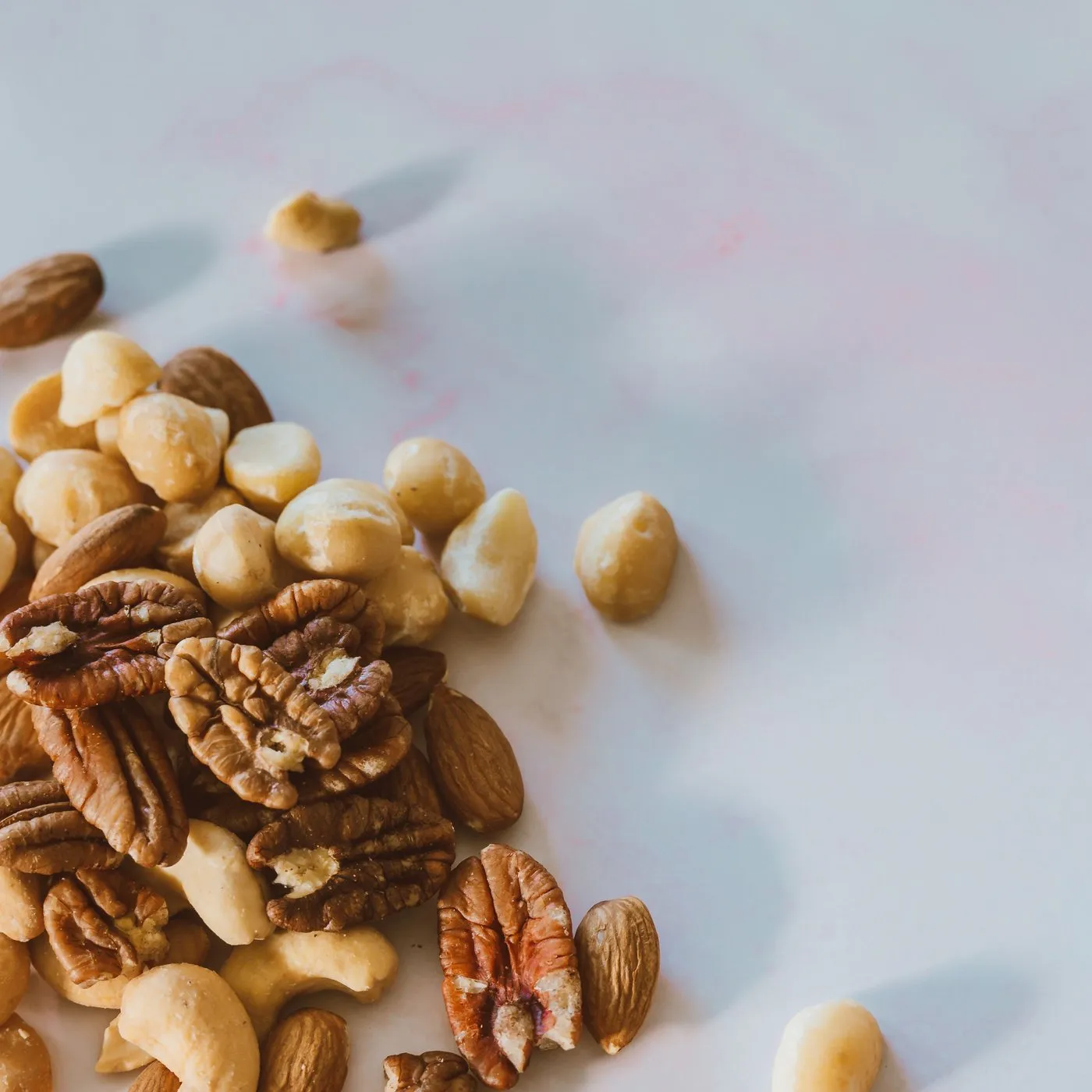
| Tree nuts | fruits à coque | Schalenfrüchte | frutos de cáscara | frutta a guscio | 41,106 |
| Fish | poisson | Fisch | pescado | pesce | 19,614 |
| Sulphites | anhydride sulfureux et sulfites | Schwefeldioxid und Sulfite | dióxido de azufre y sulfitos | anidride solforosa e solfiti | 18,442 |
| Mustard | moutarde | Senf | mostaza | senape | 16,806 |
| Celery | céleri | Sellerie | apio | sedano | 15,592 |
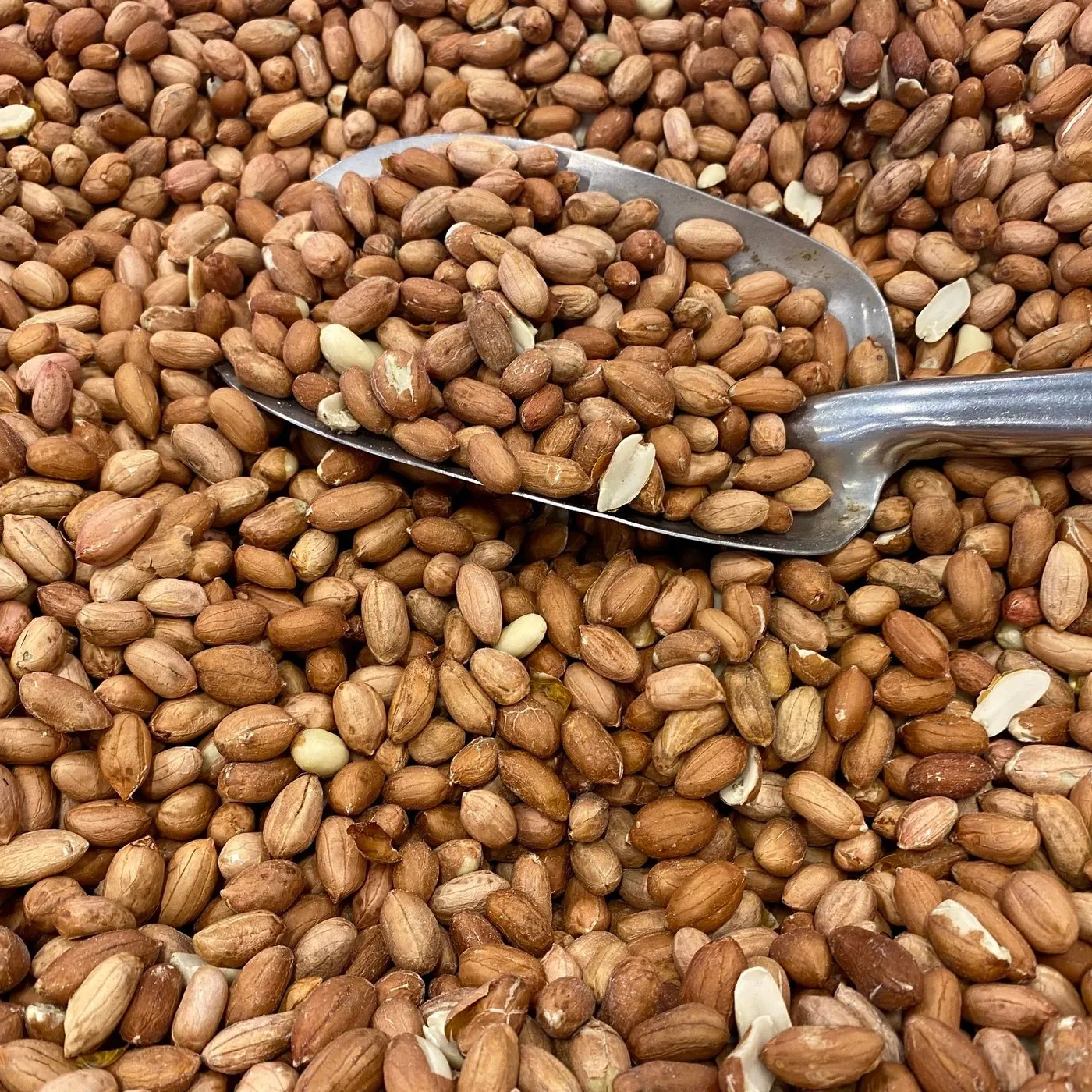
| Peanuts | arachides | Erdnüsse | cacahuetes | arachidi | 14,151 |
| Sesame | graines de sésame | Sesam | granos de sésamo | semi di sesamo | 11,789 |
| Crustaceans | crustacés | Krebstiere | crustáceos | crostacei | 6,588 |
| Molluscs | mollusques | Weichtiere | moluscos | molluschi | 3,801 |
| Lupin | lupin | Lupine | altramuces | lupini | 1,196 |
Look for the emphasised words. In the EU an allergen used as an ingredient must be named in the ingredient list and set apart from the rest, for example in bold, whatever the language of the label[1]. The UK keeps the same 14 allergens and the same rule[5].
Then match each word to the table. Many are close to the English, such as “crustacés”, “Sesam” or “soja”. These are not, and are the ones to learn first: “arachides” and “Erdnüsse” (peanuts), “Senf” and “senape” (mustard), “apio” and “sedano” (celery), “altramuces” (lupin), and the German “Krebstiere” and “Weichtiere”[2].
By the cereal and the nut, so learn those names too. After “gluten”, Open Food Facts’ French names for gluten list the cereals: “blé”, “seigle”, “orge” and “épeautre”[2]. Bravoora’s dictionary gives each cereal and each of the EU’s eight tree nuts in up to 16 languages; the table shows four, with the products that list each[3].
In French, “noix” on its own is walnut, and four more nuts on the list start with it: “noix de cajou” (cashew nuts), “noix de pécan” (pecan nut), “noix du Brésil” (Brazil nut) and “noix de macadamia” (macadamia nut). So does “noix de coco”, coconut, which the EU, UK and US lists do not count as a tree nut[6].
| Name | French | German | Spanish | Italian | Products |
|---|---|---|---|---|---|
| Wheat | blé | Weizen | trigo | frumento | 258,709 |
| Barley | orge | Gerste | cebada | orzo | 34,602 |
| Rye | seigle | Roggen | centeno | segale | 6,685 |
| Oats | avoine | Hafer | avena | avena | 46,027 |
| Almond | amande | Mandel | almendra | mandorla | 43,612 |
| Hazelnut | noisette | Haselnuss | avellana | nocciola | 26,097 |
| Walnut | noix | Walnuss | nuez | noce | 9,196 |
| Cashew nuts | noix de cajou | Cashewkerne | anacardos | noci di acagiù | 14,546 |
| Pecan nut | noix de pécan | Pekannuss | nueces de pecán | noci del pekan | 6,862 |
| Brazil nut | noix du Brésil | Paranuss | nueces de Brasil | noci del Brasile | 1,791 |
| Pistachio nuts | pistache | Pistazien | pistachos | pistacchio | 6,007 |
| Macadamia nut | noix de macadamia | Makadamianuss | nueces macadamia | macadamia | 1,796 |
Several, in all four languages: the words for buckwheat, coconut milk, cocoa butter, coconut and nutmeg. “Buchweizen” in German holds “Weizen”, wheat, and “trigo sarraceno” in Spanish and “grano saraceno” in Italian hold “trigo” and “grano”, but buckwheat is not a gluten cereal, and Bravoora’s dictionary lists it with no allergen[3]. It is on 5,667 products in Open Food Facts[4]; read their “may contain” line all the same.
Milk words mislead as well: “lait de coco” is coconut milk and “beurre de cacao” is cocoa butter, both vegan, with no milk in the dictionary. And the reverse: “beurre d’arachide”, “Erdnussbutter” and “burro di arachidi” are peanut butter, filed under peanuts alone.
Nut words too: “noix de coco” and “noce di cocco” are coconut, and “noce moscata” is nutmeg, with no allergen in the dictionary.
Method: the allergen words are the first names Open Food Facts gives each allergen in French, German, Spanish and Italian in its allergens taxonomy, read on 13 October 2026[2]; the cereal, nut and look-alike names are the first ones Bravoora’s dictionary shows[3]; product counts from the Open Food Facts export, read the same day[4]. An allergen counts on a product when Open Food Facts records it there; an ingredient, when the product’s list names it or a more specific kind of it, in any language. Contains information from Open Food Facts, which is made available here under the Open Database License (ODbL)[7].
Bravoora reads ingredient lists in any language, including packs that carry two, and answers in plain English with the printed word beside it. For Maya, whose profile avoids peanuts, a German pack that lists Erdnüsse gives “Not for Maya”, with “Erdnüsse” shown, and a pack that names peanuts only in its “may contain” line gives “Heads up for Maya”. For Leo, who tracks protein, the same scan logs the pack’s calories and protein. The methodology shows how it is tested.
Let Bravoora read the label with you.
Tell it once what matters: your allergens, your diet, the ingredients you watch. Every answer then shows the words it is based on.
This article gives the main word for each allergen in four languages. A label can print another form, a plural or a kind of the food, such as “lait écrémé” or “Vollmilch”, so read every word of the list.
Rules covered: the EU’s 14 allergens and its emphasis rule, which the UK keeps. Sources were checked on the dates listed below.
This is general label information, not medical advice. With a diagnosed allergy, ask your clinician which words to watch for.
Arachide, often in the plural, arachides; cacahuète is used too. In German it is Erdnuss, in Spanish cacahuete and in Italian arachidi.
Milch. Open Food Facts reads Butter, Buttermilch and cheese names such as Blauschimmelkäse as milk too.
No. Buchweizen is German for buckwheat, which Bravoora’s dictionary lists with no allergen, though the word holds Weizen, wheat. Read the “may contain” line all the same.
No. Noix de coco is French for coconut, which the EU, UK and US lists do not count as a tree nut. Noix on its own is walnut.
Yes. The same 14 allergens must be named and emphasised on every EU label, whatever its language, and the UK keeps the same 14.
Tree nuts are named in a “may contain” line on 117,647 products in Open Food Facts, 2.9 times as many as list them in the recipe.
The EU names eight tree nuts, the US twelve. Almond is on 43,612 products in Open Food Facts; coconut, on 33,931, is a tree nut on no list.
Build your profile: the people you check for, what they avoid, what you track.