

Reading labels
How much protein is in flour, oats and seeds per 100 g?
Soya flour has 35.8 g of protein per 100 g, wheat flour 9.6 g and oat flakes 13.3 g. Protein and calories for 17 flours, grains and seeds.
We’re updating Bravoora, so forms and sign-in are paused for now. Nothing you saved is lost. Please try again later.
Skip to contentSalt is on 635,873 products in Open Food Facts, 49% of those with an ingredient list. The 20 most-listed ingredients, with allergen and vegan answers.
Salt is on the most: 635,873 of the 1,284,867 products in Open Food Facts that have an ingredient list, about half. Sugar follows on 524,712 and water on 449,088. Of the allergens, wheat is on the most, 258,709 products, then milk on 186,302 and egg on 115,834.
Salt, sugar and water, then flavouring, vegetable oil and flour[1]. The table ranks the 20 names Open Food Facts counts on the most products, with the answer Bravoora’s pages give each one for an allergy and for a vegan profile[2][3].
| Rank | Ingredient | Products | Share | Allergen | Vegan profile |
|---|---|---|---|---|---|
| 1 | Salt | 635,873 | 49% | None listed | Fits you |
| 2 | Sugar | 524,712 | 41% | None listed | Heads up |
| 3 | Water | 449,088 | 35% | None listed | Fits you |
| 4 | Flavouring | 436,041 | 34% | Depends on the kind: bitter almond extract (tree nuts) | Heads up |
| 5 | Vegetable oil | 295,045 | 23% | None listed | Fits you |
| 6 | Flour | 283,736 | 22% | Depends on the kind: wheat flour (gluten) | Fits you |
| 7 | Natural flavouring | 277,614 | 22% | Depends on the kind: bitter almond extract (tree nuts) | Heads up |
| 8 | Wheat | 258,709 | 20% | Gluten | Fits you |
| 9 | Starch | 254,356 | 20% | Depends on the kind: wheat starch (gluten) | Fits you |
| 10 | Spice | 236,341 | 18% | Depends on the kind: mustard seed (mustard) | Fits you |
| 11 | E330 (citric acid) | 218,830 | 17% | None listed | Fits you |
| 12 | Glucose | 213,918 | 17% | None listed | Fits you |
| 13 | Wheat flour | 211,706 | 16% | Gluten | Fits you |
| 14 | Milk | 186,302 | 14% | Milk | Not for you |
| 15 | E322 (lecithins) | 156,330 | 12% | Can be soy or egg | Heads up |
| 16 | Onion | 151,457 | 12% | None listed | Fits you |
| 17 | Garlic | 145,302 | 11% | None listed | Fits you |
| 18 | Cocoa | 136,410 | 11% | None listed | Fits you |
| 19 | Herb | 129,083 | 10% | Depends on the kind: celery leaves (celery) | Fits you |
| 20 | Sunflower oil | 128,311 | 10% | None listed | Fits you |
Wheat, named on 258,709 products, then milk on 186,302 and egg on 115,834[1]. Wheat is counted with every kind of it, so the 211,706 products that list wheat flour are inside its count. Egg is 24th of the names ranked here. Of the other allergens, soy is named as soya lecithin on 106,292 products, and the tree nuts are on 84,197[1].
Each has a guide that lists the names it hides behind: gluten, milk, eggs, lecithin and tree nuts.
The group names. Bravoora’s dictionary files some kinds of each under an allergen: bitter almond extract (tree nuts) under flavouring, wheat flour (gluten) under flour, bitter almond extract (tree nuts) under natural flavouring, wheat starch (gluten) under starch, mustard seed (mustard) under spice and celery leaves (celery) under herb[2].
On an EU or UK label the allergen must still be named, so the word to look for is the kind: wheat starch, not starch alone[4]. On a US pack the allergen can be named in a “Contains” line under the list instead, so read that line too[5].
Sugar, flavouring and natural flavouring: Bravoora’s dictionary gives a vegan profile Heads up for all three, because some kinds are made with an animal product and a label rarely says which[2]. The E-number list gives E322 Heads up too: The pack does not have to say its source[3].
Milk is Not for you on a vegan profile. The article on ingredients that are not always vegan goes through the rest[6].
Method: product counts from the Open Food Facts export of 4,535,553 products, 1,284,867 of them with an ingredient list, read on 13 October 2026[1]; names, kinds and answers from Bravoora’s dictionary[2], its guides and its E-number list[3]. A product counts under a name when its list names it or a more specific kind of it, in any language, so the counts overlap. Names Open Food Facts uses only as a heading or a class (dairy, vegetable, colour, emulsifier) are left out, and so is “flavouring”, which has no food page on Bravoora yet. Contains information from Open Food Facts, which is made available here under the Open Database License (ODbL)[7].
Bravoora reads every ingredient against the profile, the common ones included, and shows the printed word behind each answer. For Hannah, who avoids gluten, wheat starch gives “Not for Hannah”; for Daniel, whose profile is vegan, sugar gives “Heads up for Daniel”; and for Sam, who counts calories, the same scan logs the pack’s energy against the goal Sam set. The methodology shows how it is tested.
Let Bravoora read the label with you.
Tell it once what matters: your allergens, your diet, the ingredients you watch. Every answer then shows the words it is based on.
This article counts the ingredient lists in Open Food Facts, a database its contributors fill in from real packs: It covers those records, not every product on sale.
Rules covered: the EU and UK rule that an allergen is named in the list. Sources were checked on the dates listed below.
This is general food information, not medical or dietary advice.
Salt, in Open Food Facts: It is on 635,873 of the 1,284,867 products with an ingredient list, 49%. Sugar and water follow.
Wheat, on 258,709 products, then milk on 186,302 and egg on 115,834.
Not on its own. Starch is a group: Corn, potato and wheat starch are all kinds of it. On an EU or UK label, wheat starch must say wheat, so read the word beside it.
Sugar is plant-based, but some kinds are made with an animal product and a label rarely says which, so a vegan profile gets Heads up.
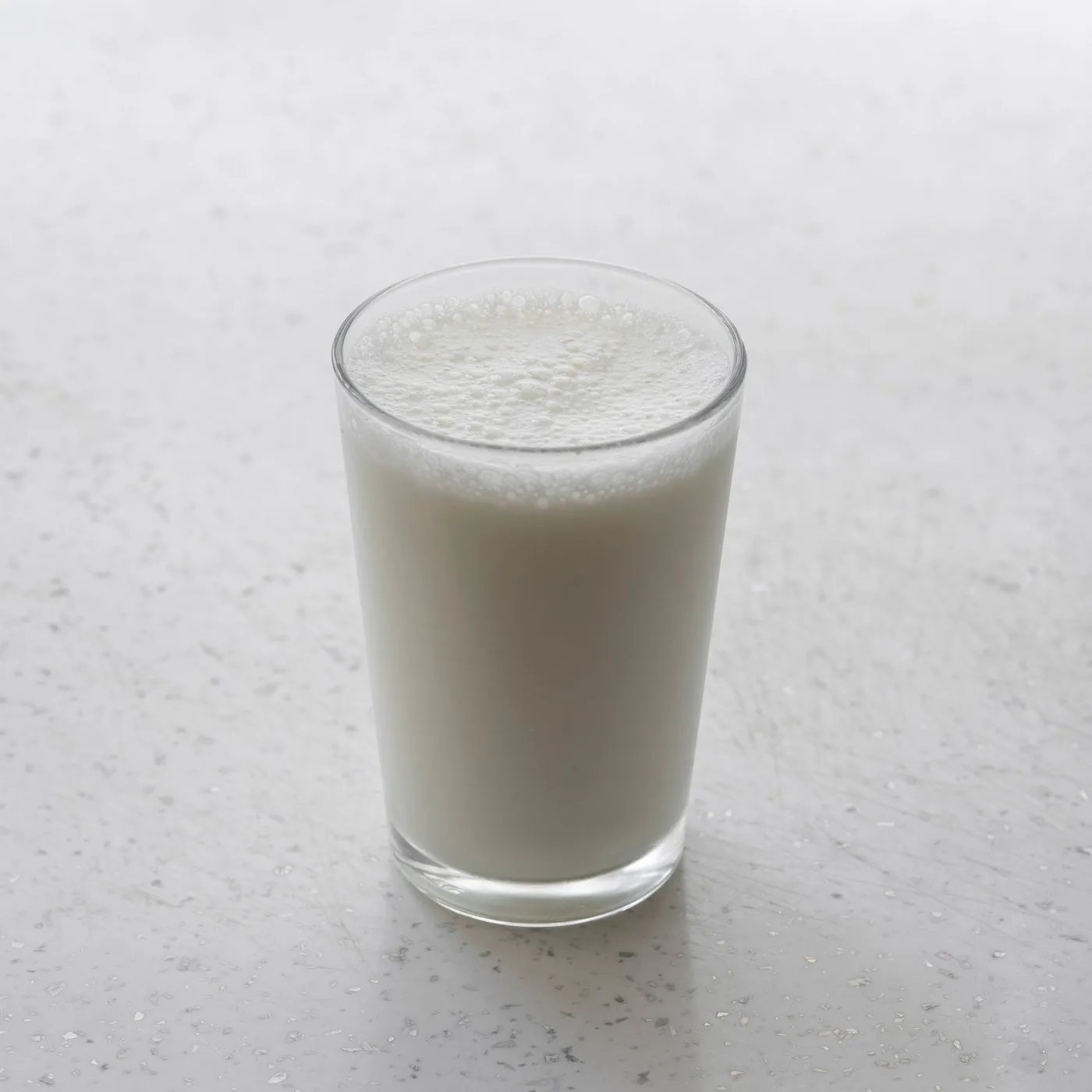 MilkWhey, casein, ghee and lactose are all milk.Read the guide
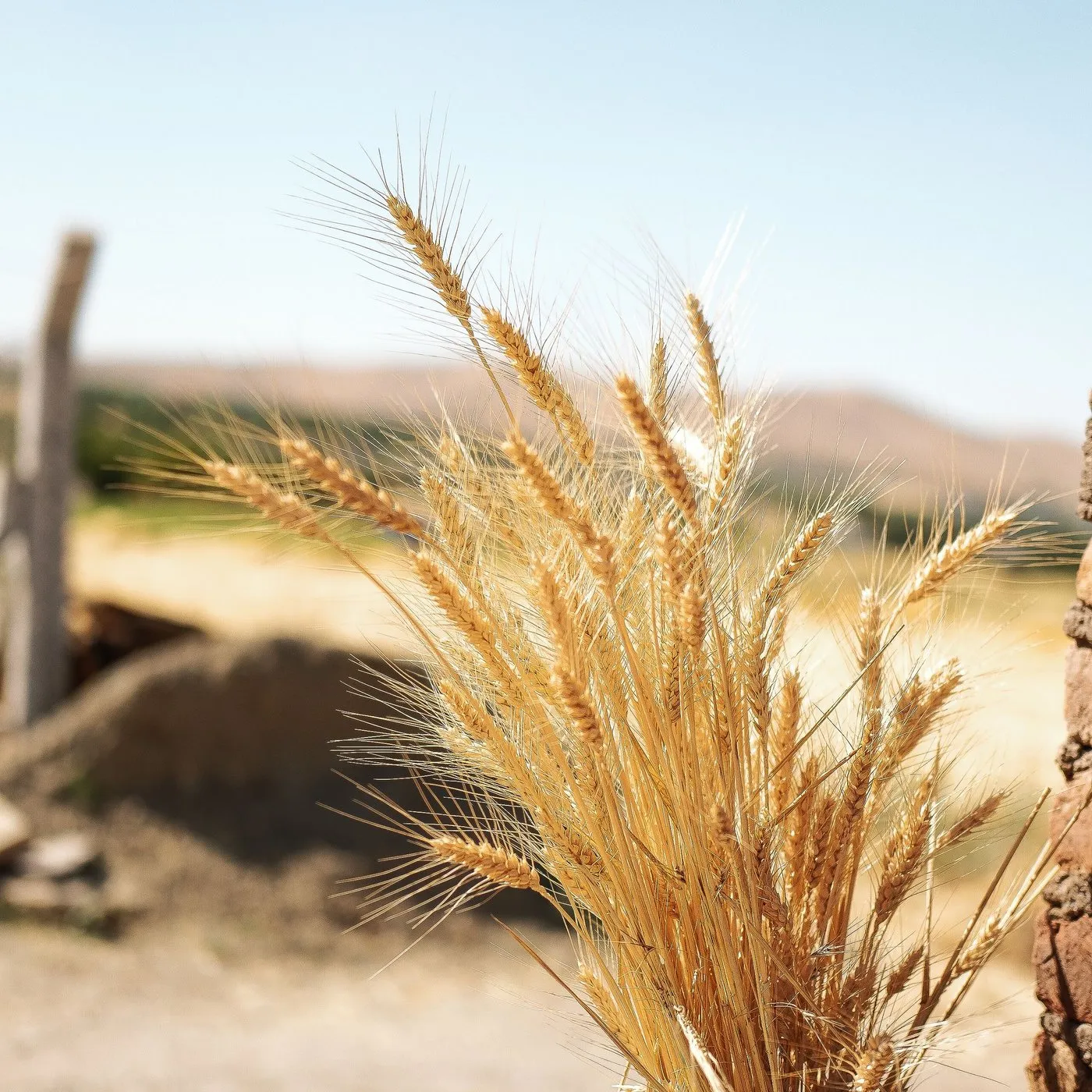 GlutenA protein in wheat, barley and rye, and in foods made from them.Read the guide
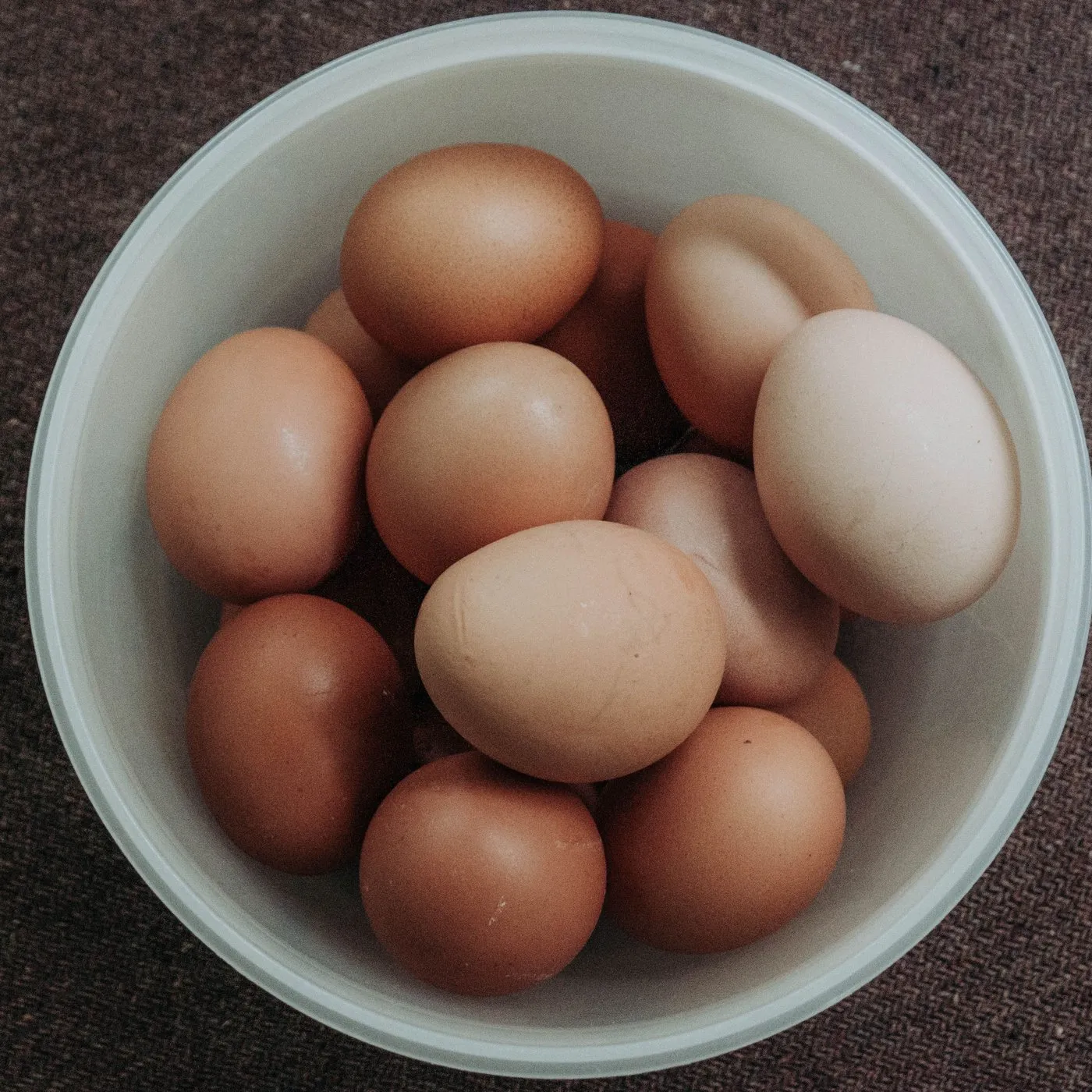 EggsEggs bind, glaze and lighten many foods you might not expect.Read the guide
 Lecithin (E322)The emulsifier in chocolate bars, from four possible sources.Read the guide
Soya flour has 35.8 g of protein per 100 g, wheat flour 9.6 g and oat flakes 13.3 g. Protein and calories for 17 flours, grains and seeds.
Sugar, on 524,712 products in Open Food Facts, is vegan only for some makes; so are natural flavouring, lactic ferments and artificial flavouring.
Build your profile: the people you check for, what they avoid, what you track.